Founder
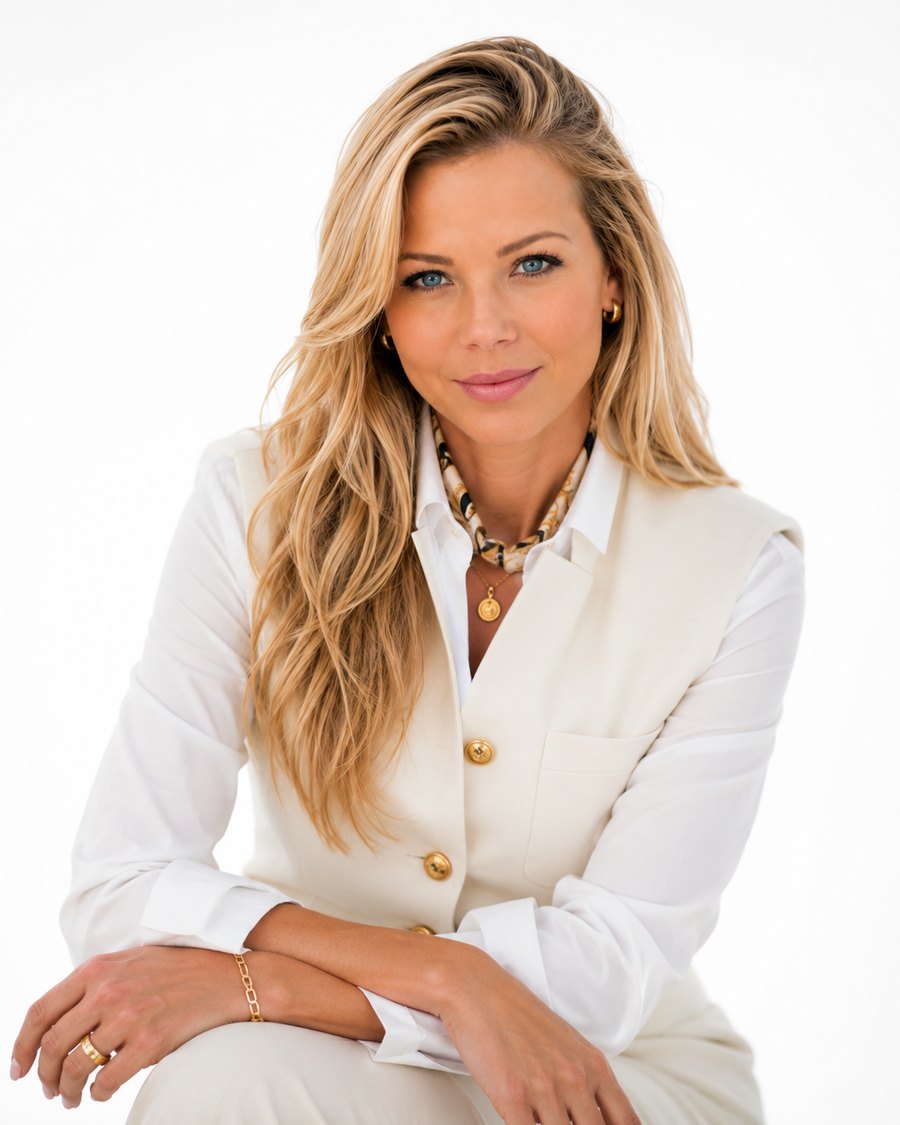
Heather Sossman Burbich
Founder and creative architect of all three concepts. Heather leads world-building, guest-experience design and the in-house performance standards that turn character work into emotionally responsive storytelling.
Our story
Not a party room. Not a photo line. A real world children could enter slowly, believe in completely and remember long after they had outgrown the costume.
Step Inside Our StoryWhy we exist
Before Once Upon an Island was a company, it was a frustration Heather could not shake. She had spent years performing inside some of the world’s most recognizable entertainment environments, beginning at Disneyland at sixteen, continuing at Disneyland Paris and aboard cruise lines around the world. She knew what a powerful character encounter could mean to a child.
She also knew how often the most important part was missing: time.
Time for the shy child to stop hiding behind a parent. Time for a question that had clearly been rehearsed all morning. Time for play to become real enough that the child stopped posing for a photograph and started living inside the story.
So she built a place where the next family in line would never decide when the magic had to end.
That idea became Once Upon an Island: an immersive Newport Beach world designed not around moving families through, but around drawing children in.

The beginning
Heather Sossman Burbich’s first professional chapter began at Disneyland, where she portrayed princess characters from sixteen to twenty-one. The work later carried her to Disneyland Paris, cruise lines around the world, and a film and television career. But the moments she kept returning to were the smallest ones: a child finally speaking after several quiet minutes, a family forgetting the camera, a character interaction becoming something emotionally real.
When she became a mother, the idea sharpened. The environments she imagined for other families were first tested against one standard: would this feel extraordinary to her own children? Every hidden fairy door, shimmering tail, treasure map, wardrobe and secret passage began there, not as decoration, but as an invitation to participate.
In 2015, Once Upon an Island opened on Balboa Island. The premise was simple, but unusual: professional performers, fully built environments and intimate experiences in which children were given enough time to warm up, play and belong.
The business grew because the feeling worked.
Families returned. They told other families. Hotels sent guests. News crews arrived. Celebrity families found the venue without being courted. The company expanded without abandoning the intimacy that made the first room matter.
The flagship opened on Balboa Island as an immersive home for mermaid, princess and pirate experiences. Children did not simply meet a character; they entered a world built for conversation, transformation, tea, stories, play and unhurried belief.
In the middle of a pandemic, the company opened a second original concept around a conviction: families should not have to watch a Christmas movie to feel transported. They should be able to walk inside one. The result was an intimate North Pole world with real sets, talking reindeer, hidden portals and a Santa who already knew the child entering the room.
The third concept translated the company’s transformation experience into a compact, walk-up format. First proven inside Wild Rivers water park and then opened at the Balboa Fun Zone, Mermaid Cove demonstrated that the same emotional payoff could live inside a smaller footprint and a faster guest journey.
Three concepts. Three operating models. One uncompromised standard for how the guest should feel.
Behind the wonder
Families see the reveal, the tea table, the talking reindeer, the perfectly timed entrance and the performer who somehow knows exactly how to reach their child.
Behind those moments is a company that has conceived, designed, built, launched and profitably operated three distinct entertainment concepts, not one idea repeated in three rooms.
More than fifty professionals support the worlds across performance, hospitality, operations, sales, media, wigs, costumes and finance. The company’s training programs, character standards and operating systems are developed in-house so that warmth does not depend on luck and quality does not disappear when the founder leaves the room.
That is the unusual part of Once Upon an Island: the experience is deeply personal, but the standard behind it is disciplined, documented and repeatable.
How a world becomes believable
Sets are designed as environments children can investigate, not backdrops they are asked to stand in front of. Doors open. Wardrobes lead somewhere. Objects have a reason to exist.
Performers are trained to listen, improvise and let the child lead. The goal is not to deliver a script perfectly. It is to make the child feel genuinely known inside the story.
Parents are treated as guests, not supervisors. The company applies luxury-hospitality thinking to arrival, pacing, comfort, service and the details families should never have to manage themselves.
Wigs, costumes, makeup and styling are maintained as core creative disciplines. The illusion only works when every visible detail supports it.
A story families carried outward
Once Upon an Island has never hired a public-relations firm. Its features in People, E! News, the Los Angeles Times’ Daily Pilot, POPSUGAR, Orange Coast Magazine, FOX 11, KTLA 5 and NBC Los Angeles followed families, events and stories that were already happening.
That distinction matters. The company was not built to look impressive from the outside. It was built to feel extraordinary from the inside, and the outside attention followed.
The people who protect the standard
A world this personal cannot be run casually. The leadership team combines creative direction, luxury hospitality, sales, finance, wig artistry and costume design so the guest experience is protected from every side.
Founder and creative architect of all three concepts. Heather leads world-building, guest-experience design and the in-house performance standards that turn character work into emotionally responsive storytelling.

A veteran of fine dining and luxury hospitality leadership, Alison is the execution behind the organization, the client point person, the standard keeper, the reason nothing slips through the cracks. She does not simply implement: she trains, documents and standardizes, translating white-glove service into systems that care for parents as intentionally as the company cares for children. She is the discipline to the company’s creative.
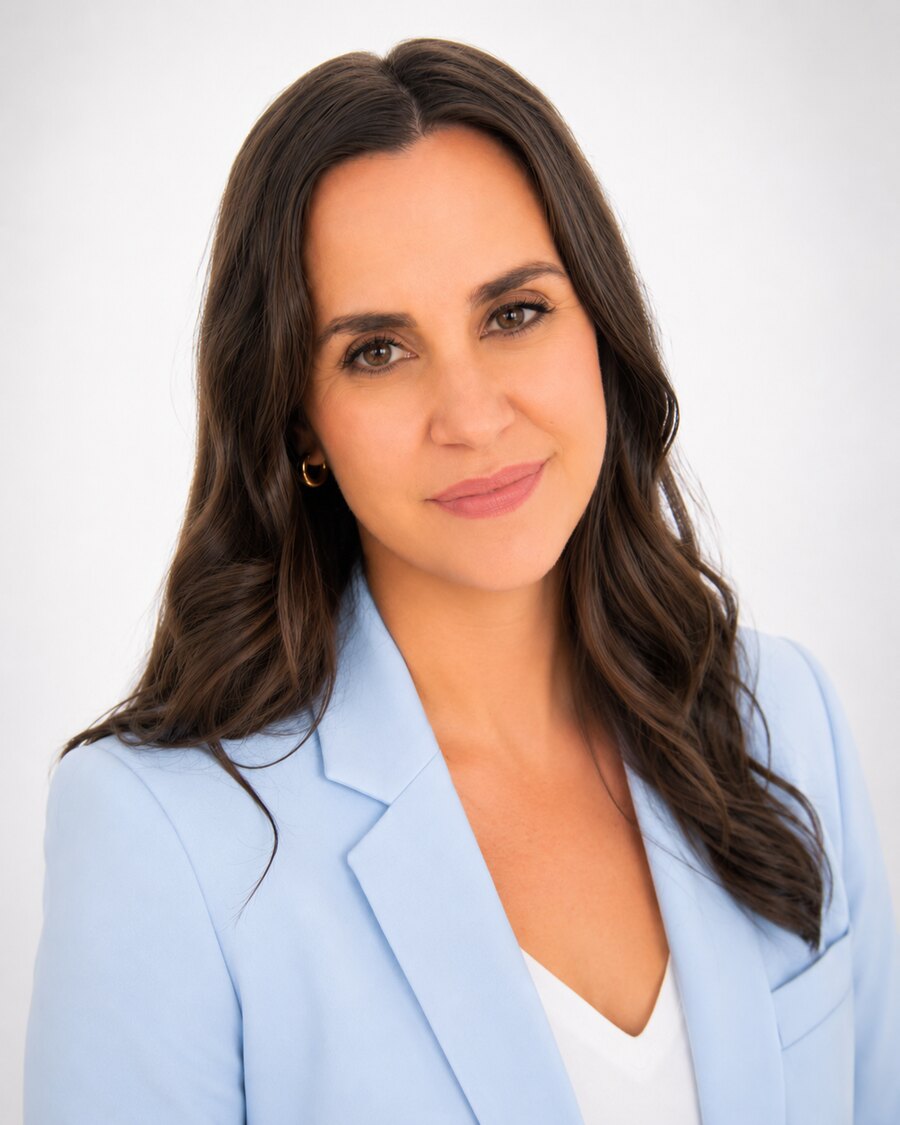
Part of the Once Upon an Island story since its earliest weeks, Haylie has played a defining role in the design and construction of many of the company’s most ambitious environments. Working alongside Heather, she helps transform imaginative concepts into immersive physical worlds, contributing to the architecture, creative design, and countless handcrafted details that make each destination feel believable through a child’s eyes.
With eighteen years of B2B sales leadership, Brad directs growth, brand reach and the partnership strategy that carries the company beyond its own doors.
Regina leads financial planning, forecasting and operational discipline, the structure that allows imaginative ideas to become sustainable businesses.
With more than a decade of entertainment-wig experience at Disneyland, Shelli brings theme-park-caliber construction, styling and character integrity to the company’s wigs.
Megan designs and maintains the wardrobes across every world, protecting the silhouette, finish and detail required for a character to feel complete at close range.
What remains unchanged
A child enters. The room slows down. Someone remembers their name, waits for the real answer and makes space for imagination to take over.
More than ten thousand celebrations later, that is still the entire point.
We do not ask children to believe faster. We build worlds worthy of the time it takes.